Zero Common Wall Design: The Future of Privacy in Luxury Apartments
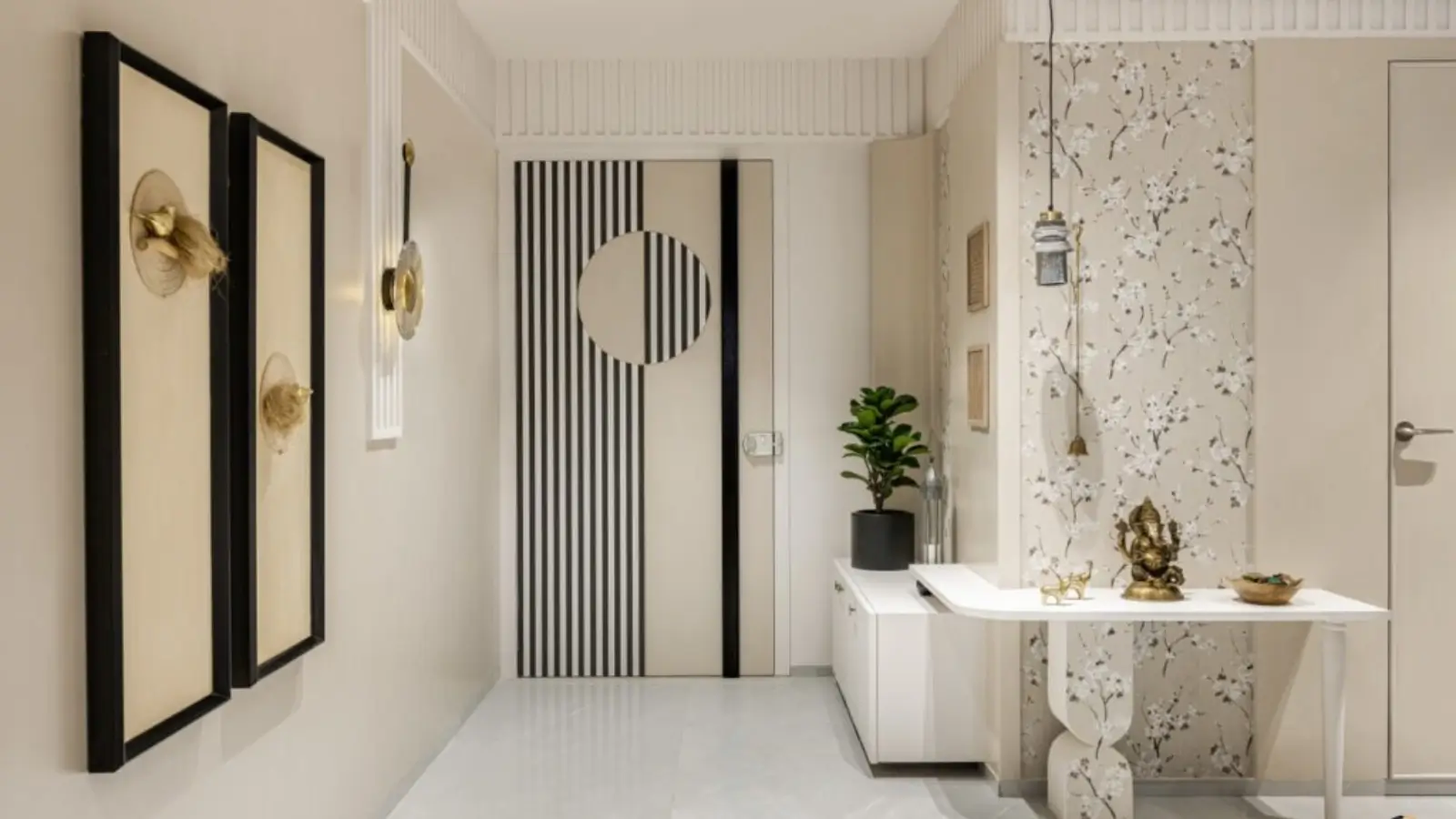
Zero common wall apartment design — privacy focused apartment planning, no shared wall apartments Bangalore, and the acoustic future of luxury living.
The Quiet Compromise Most Luxury Buyers Accept
Conventional luxury apartments share walls with their neighbours. This is not a brochure problem — it is a planning reality of stacked construction that almost every Indian high-rise development inherits from its structural template. Buyers accept the compromise because the alternative seems to be moving into a villa, which carries its own set of trade-offs. The zero common wall apartment design philosophy at Century Astoria rejects this binary, transplanting row-house-grade privacy into a high-rise typology through deliberate floor plate engineering. Understanding how this works is the most useful piece of architectural analysis a Century Astoria buyer can do before booking.
Privacy Focused Apartment Planning
Privacy focused apartment planning involves three structural decisions made at master plan stage. First, the floor plate is engineered so that adjacent residences do not share any structural partition — instead, service cores, lifts, and circulation corridors run between units to provide a buffer. Second, the placement of bedrooms, bathrooms, and living areas is calibrated so that high-use zones in one residence do not align directly with high-use zones in the adjacent residence — meaning a neighbour's late-night television does not transmit into your bedroom wall. Third, the structural materials are specified to ultra-premium acoustic tolerance, with mass-loaded vinyl, fibreglass insulation, and decoupled framing where shared partitions are unavoidable in service zones.
No Shared Wall Apartments Bangalore — Why This Is Unusual
No shared wall apartments Bangalore is not a category that the local luxury market has produced consistently. The conventional approach in stacked construction is to maximise the saleable area per floor by minimising the circulation footprint, which results in shared walls between units. Achieving the zero common wall apartment design outcome requires accepting a larger circulation footprint and a slightly lower saleable area per floor, which raises the per-square-foot delivered cost. Century has absorbed this trade-off because it delivers a structural advantage that buyers can feel on day one and continue feeling for 20 years.
Sound Insulation Luxury Apartments Need But Rarely Deliver
Sound insulation luxury apartments need depends on three transmission paths — through shared walls (airborne), through floor slabs (impact from above), and through service shafts (vibration and airborne). The zero common wall apartment design addresses the first path structurally by eliminating shared walls between residences. The second and third paths are addressed through specification — floor slab thickness and underlay specification reduce impact transmission, and service shaft routing through dedicated structural cores rather than party walls reduces vibration transmission. Together, the three measures deliver acoustic performance materially better than conventional stacked construction.
Why This Matters Daily, Not Just on Paper
Acoustic privacy compounds across every hour of residency. The neighbour's home theatre at 9 PM. The vacuum cleaner across the hall on Sunday morning. The construction work in an adjacent unit during refurbishment cycles. The party that ran later than expected. Each of these is the daily reality that conventional stacked luxury asks residents to accept. The zero common wall apartment design eliminates these as routine intrusions, which means residents recover the kind of acoustic peace that villa owners take for granted but that high-rise residents rarely experience.
The Engineering Cost That Makes the Difference
The engineering effort required to achieve zero common wall apartment design is substantial. Floor plates carry larger circulation footprints. Service routing requires more careful planning at master plan stage. Construction sequencing has to accommodate the slightly more complex structural layout. None of these are insurmountable, but they require developer commitment at the architectural brief stage rather than as an after-the-fact addition. The fact that Century Astoria has committed to this approach at master plan stage is one of the structural signals that the project sits in the upper end of Bangalore's luxury market.
Sound Transmission Reference
Path | Conventional Stacked | Zero Common Wall |
|---|---|---|
Shared wall transmission | Common across residences | Eliminated structurally |
Floor slab (impact from above) | Significant | Reduced with specification |
Service shaft vibration | Variable | Reduced through routing |
Lobby/corridor noise into unit | Common | Minimal with buffer zones |
Related reading: Demand for Premium Apartments Is Rising Across India.
FAQs
What does zero common wall apartment design mean?
No two residences share a structural partition. Service cores, lifts, and circulation corridors run between units to provide a buffer, delivering row-house-grade privacy in a high-rise typology.Why is sound insulation difficult in conventional apartments?
Shared walls between adjacent residences create direct airborne transmission paths that no amount of furnishing can fully address. Zero common wall design eliminates this path structurally.Does zero common wall design cost more to build?
Yes. It requires larger circulation footprints, more careful service routing, and more complex structural sequencing. The trade-off is materially better acoustic performance across the building's lifetime.
Related Articles

Century Astoria Cost Sheet Explained: Complete Pricing Breakdown for 3 & 4 BHK
Decode the full Century Astoria cost sheet breakdown — base rate, PLC, GST, stamp duty and registration for 3 BHK and 4 BHK residences in Jakkur.

Century Astoria Payment Plans, Offers and Pre-Launch Benefits
Compare Century Astoria payment plan options — construction-linked, possession-linked, and customised schedules. See pre-launch booking benefits in Jakkur.

Century Astoria Possession Timeline: When Can You Move In?
Find out the Century Astoria possession date Jakkur — handover schedule, construction milestones, and what pre-launch to handover looks like for buyers.

Century Astoria Construction Updates and Quality Standards
Track Century Astoria construction quality — RCC structural framing, finishing standards, construction timeline, and quality control on the Jakkur project.