What Makes Century Astoria Different: The 334-Residence Exclusivity Story
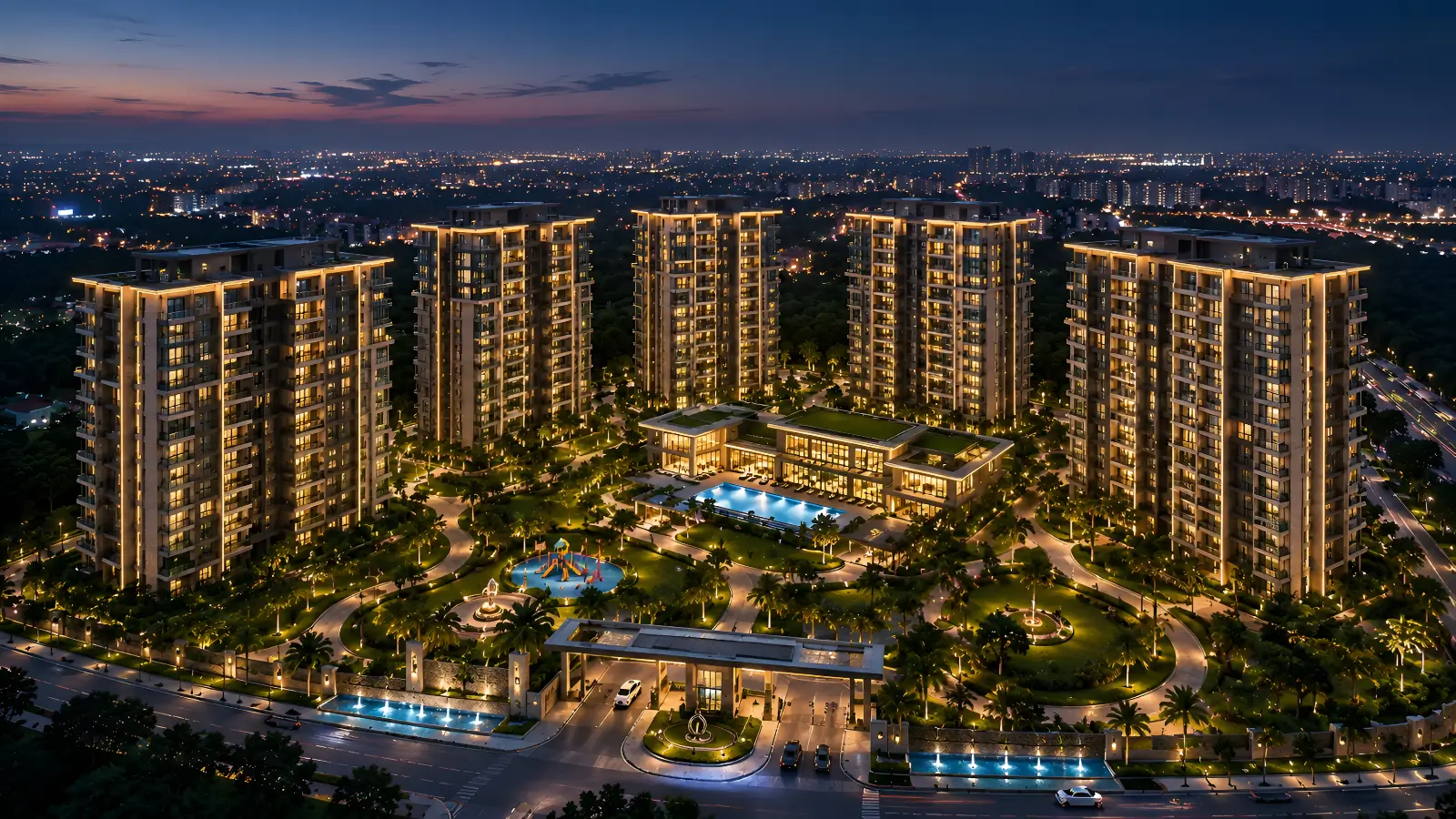
What makes Century Astoria unique — only 334 apartments Jakkur, low density luxury living Bangalore, and an ultra-exclusive community across 5 towers.
The Number That Defines Everything Else
334. That single number explains more about what makes Century Astoria unique than any other piece of project data. In a city where luxury launches frequently push 600 to 1,000 residences onto comparable land footprints, choosing to deliver only 334 homes across five towers on 6.075 acres is a deliberate scarcity decision that reshapes every daily lifestyle variable inside the community. Elevator wait times. Lobby congestion. Amenity queues on weekends. Parking availability. Service response time. Each of these is governed by the resident-to-infrastructure ratio, and the only 334 apartments Jakkur framework keeps every ratio favourable across the building's lifetime.
Low Density as a Design Philosophy, Not a Marketing Claim
Most luxury developments mention low density in their brochures, but few translate the claim into structural decisions that the buyer can verify. The low density luxury living Bangalore proposition at Century Astoria is verifiable from the master plan itself — 75 percent of the residential parcel is landscaped open space, each tower carries fewer than 70 residences across 15 to 16 floors, and four high-speed elevators per tower create an elevator-to-resident ratio roughly twice that of conventional luxury inventory. This is what makes Century Astoria unique at the level of physical configuration rather than language.
The Privacy Dividend — Zero Common Walls
Density is one half of the exclusivity story. Privacy is the other half. The Zero Common Walls planning at Century Astoria ensures that no apartment shares a structural partition with its neighbour. For a luxury buyer who has lived in stacked premium developments and quietly resented the transmission of a neighbour's home theatre through a shared wall, this is the single design choice that justifies the per-square-foot premium. The privacy dividend is acoustic, visual, and structural — three forms of separation that combine to deliver row-house-grade isolation within a high-rise typology.
The Ultra-Exclusive Tier Within the Exclusive Community
Within the 334-residence community, the ultra exclusive residential community within the project is the six-residence 6 BHK tier. These homes occupy whole floors or sky-mansion configurations across towers T1, T3, and T5, and they represent less than 2 percent of the total project inventory. The exclusivity is structural — six homes across a project of this scale positions the apex tier as a collector segment within the Bangalore ultra-luxury market, comparable in scarcity to limited-edition residences in established luxury cities globally.
What 334 Residences Means for Daily Life
The practical consequences of low density show up in moments most buyers do not think to evaluate during a site visit. On a Saturday morning at 9 am when residents are heading out for activities, the elevator wait is under 90 seconds rather than 4 to 5 minutes. The gym at peak hours has machines available rather than rotating queues. The pool can accommodate a serious morning swim without sharing lanes with three other swimmers. The clubhouse café has seating available for an unplanned coffee meeting. These small daily improvements compound into a materially different lifestyle quality across a 10-year holding period.
The Resale and Value Dividend
Exclusivity also translates into resale value. Lower-density projects retain their premium across resale cycles better than mass-luxury inventory because the supply of comparable units in the secondary market is structurally limited. For Century Astoria, the 334-residence inventory means the secondary market will see a handful of resale transactions per year rather than dozens, which supports per-square-foot pricing discipline through the holding period. This is one of the structural reasons what makes Century Astoria unique extends from the lifestyle proposition to the financial proposition.
The Single Variable That Cannot Be Replicated Post-Launch
Every other variable in a luxury project can be modified, upgraded, or rebuilt across the building's lifetime. The amenities can be refurbished. The finishes can be replaced. The landscaping can be redesigned. The one variable that is locked at the master plan stage and cannot be changed afterward is density. The 334-residence count is set permanently by the construction. This is the reason what makes Century Astoria unique is not a temporary positioning advantage but a structural one, durable across the full 25-plus year asset life of the building.
Related reading: Luxury Apartments vs Plots in North Bangalore: Which Is the Better Investment?.
FAQs
How many residences does Century Astoria have?
Only 334 residences across 5 towers on a 6.075-acre residential parcel within the 52-acre Century Immencity township.What makes Century Astoria different from other luxury launches in Bangalore?
Sub-350-unit density, Zero Common Walls planning, 75 percent landscaped open space, a 40,000 sq.ft. clubhouse, and integration within a 52-acre mixed-use township.Why does low density matter for a luxury apartment?
Lower density reduces elevator wait times, lobby congestion, amenity queues, and parking pressure — and supports better resale value discipline over the holding period.
Related Articles
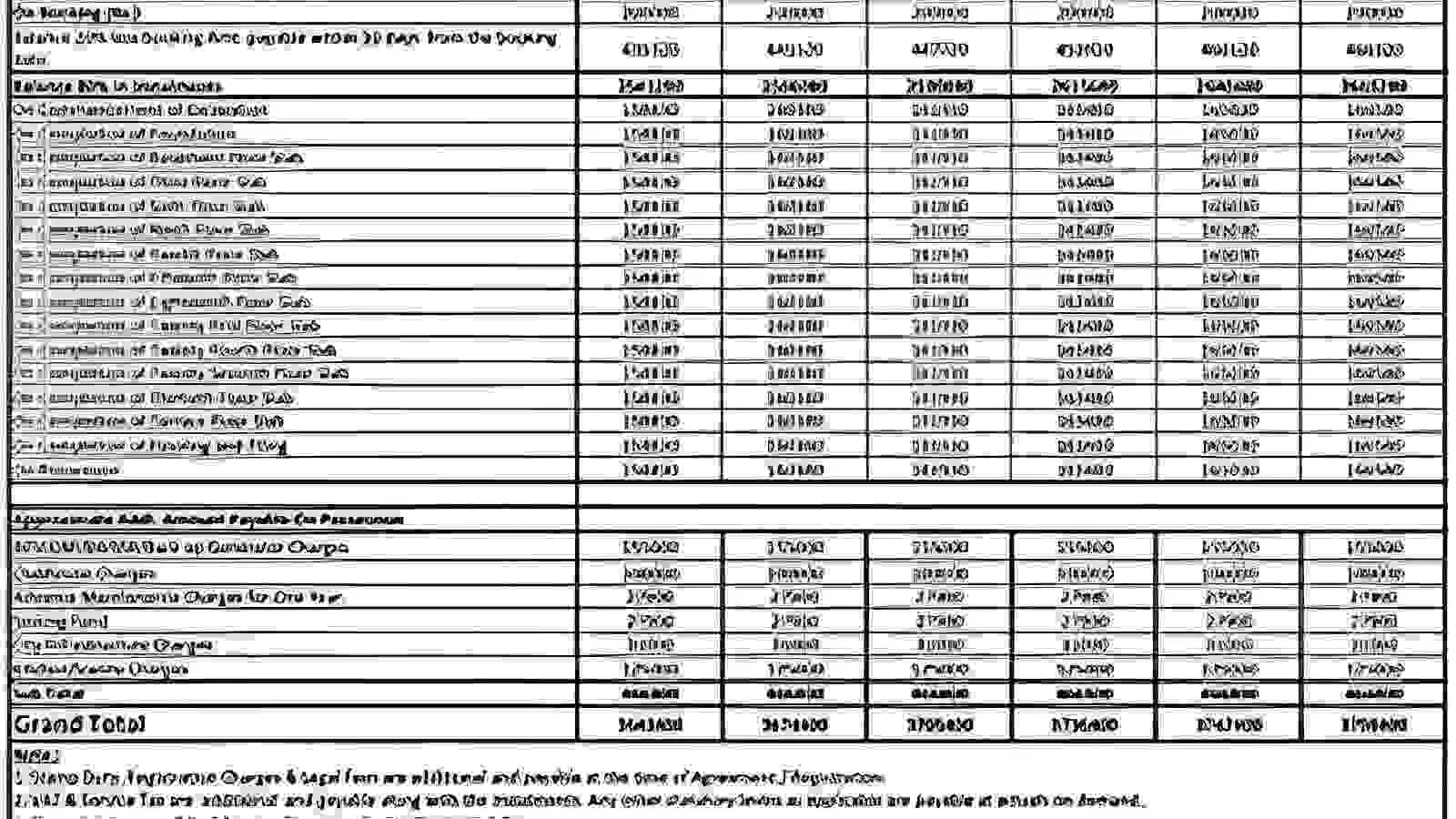
Century Astoria Cost Sheet Explained: Complete Pricing Breakdown for 3 & 4 BHK
Decode the full Century Astoria cost sheet breakdown — base rate, PLC, GST, stamp duty and registration for 3 BHK and 4 BHK residences in Jakkur.

Century Astoria Payment Plans, Offers and Pre-Launch Benefits
Compare Century Astoria payment plan options — construction-linked, possession-linked, and customised schedules. See pre-launch booking benefits in Jakkur.
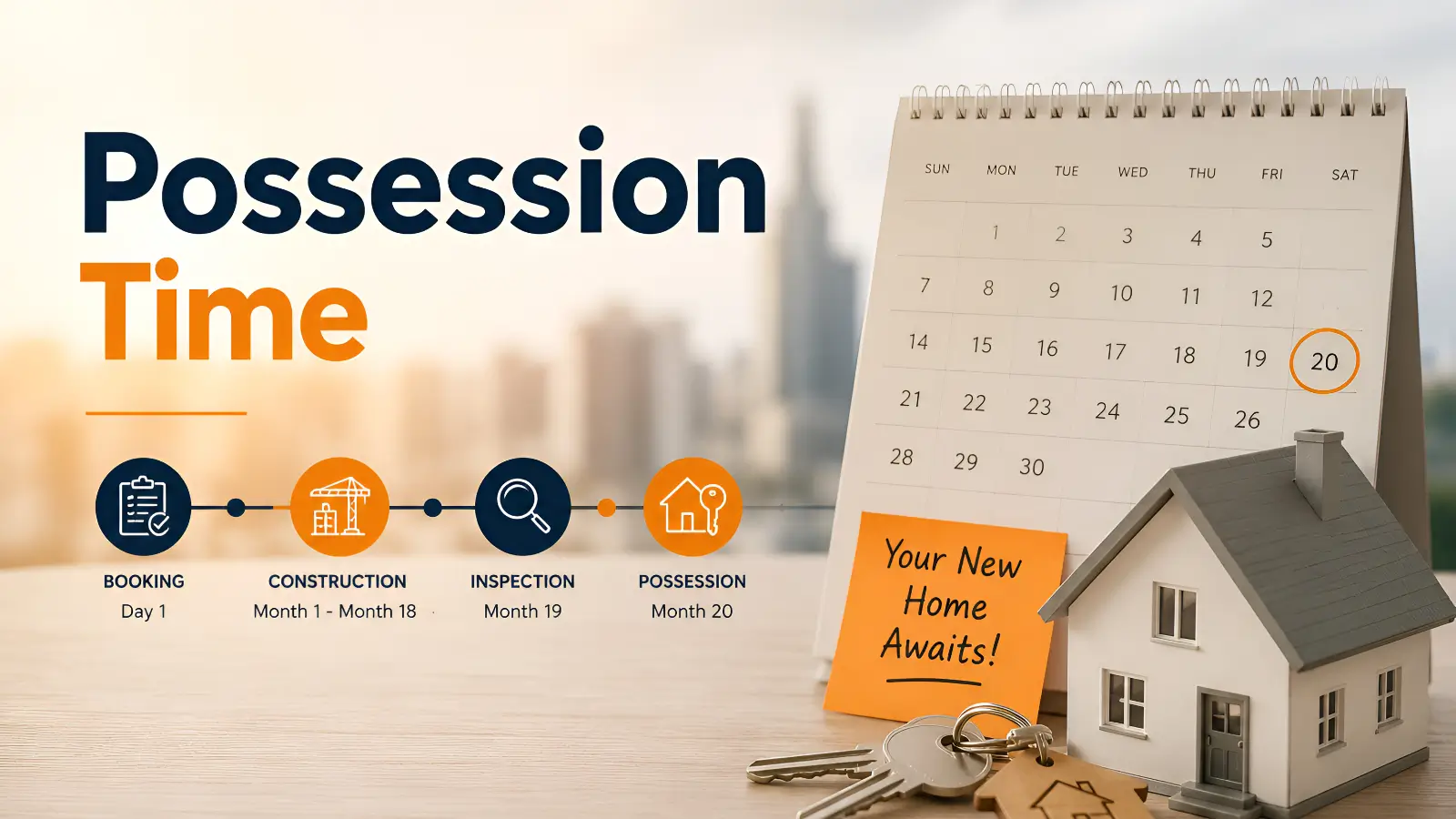
Century Astoria Possession Timeline: When Can You Move In?
Find out the Century Astoria possession date Jakkur — handover schedule, construction milestones, and what pre-launch to handover looks like for buyers.
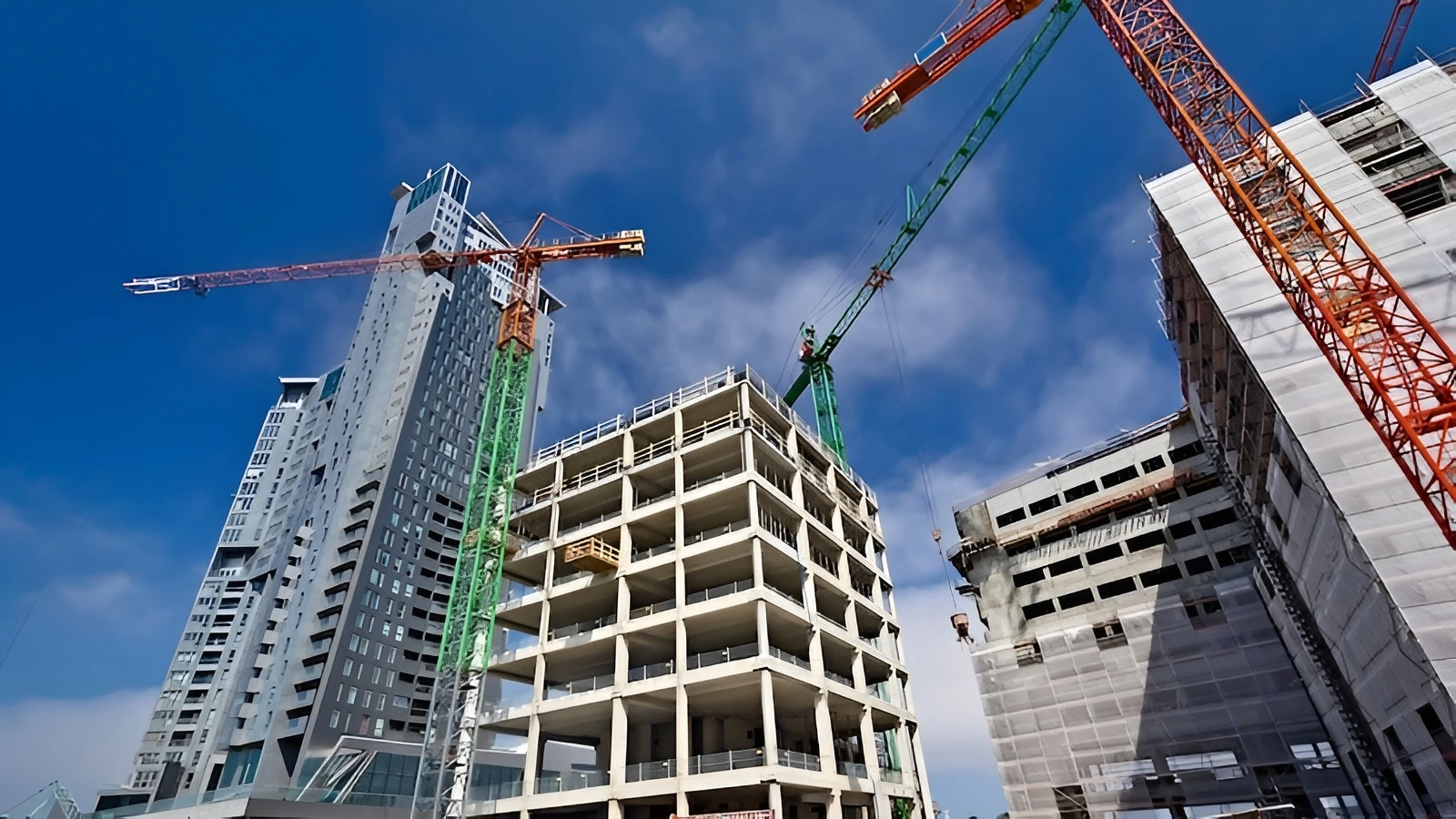
Century Astoria Construction Updates and Quality Standards
Track Century Astoria construction quality — RCC structural framing, finishing standards, construction timeline, and quality control on the Jakkur project.