Architectural Highlights of a High-Rise Tower in North Bangalore
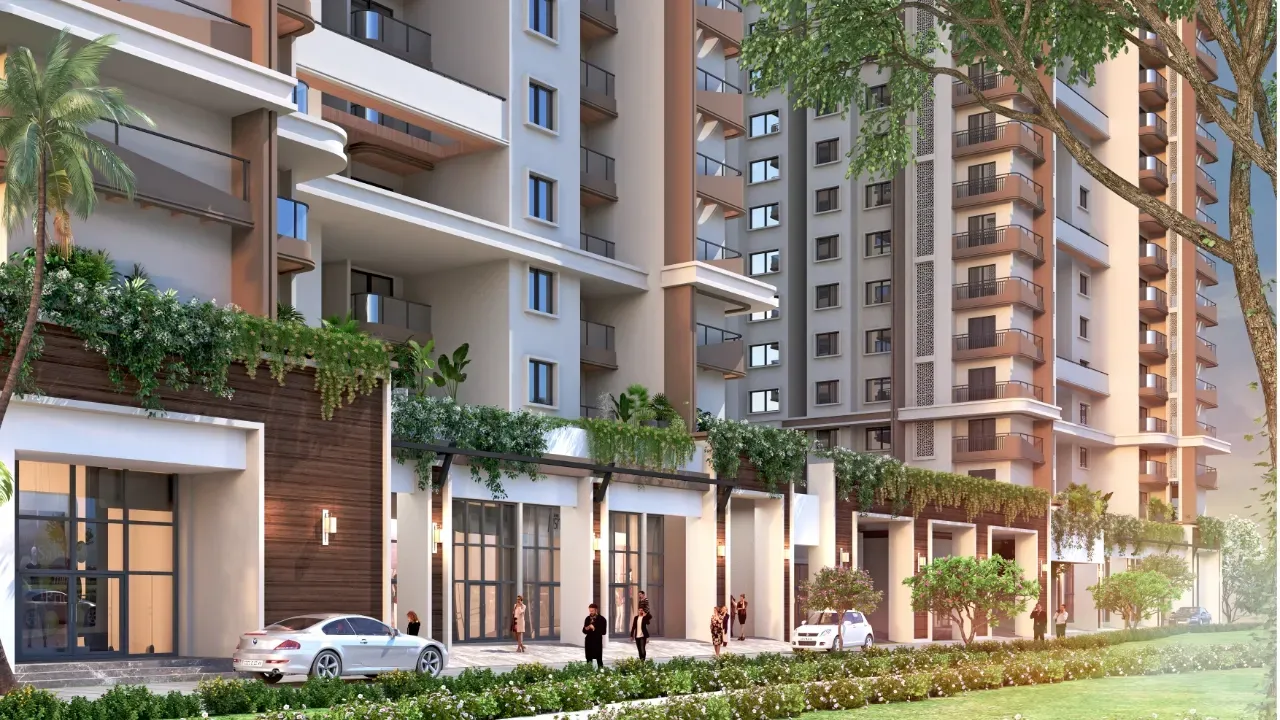
High rise luxury tower architecture Bangalore — tower elevation design Jakkur, podium level architecture, and luxury tower façade Bangalore expects today.
Why Architectural Quality Decides Long-Term Asset Value
Real estate professionals talk about location, builder, and pricing. They talk less about architecture, which is paradoxical because architectural quality is one of the most durable contributors to long-term asset value. The high rise luxury tower architecture Bangalore expects in 2026 has moved beyond the boxy stacked construction that defined the 2000s and into a more articulated, hospitality-inspired vocabulary. Century Astoria sits within this evolution, with five towers designed to deliver both technical performance and visual presence that supports the asset across a 25-year ownership cycle.
Tower Elevation Design Jakkur Buyers Should Look For
Tower elevation design Jakkur projects produce in the current cycle is evaluated on three axes. First, façade articulation — how the building's vertical surface is broken up to avoid the flat-wall monotony that dates older luxury inventory rapidly. Second, balcony integration — whether balconies are designed as integral architectural features or bolted-on afterthoughts, with the former producing dramatically better visual outcomes. Third, fenestration rhythm — the pattern of window openings across the elevation, which determines both daylight performance inside the residences and visual interest from outside. The high rise luxury tower architecture Bangalore at Century Astoria is calibrated across all three axes.
Podium Level Architecture — The Underused Design Lever
Podium level architecture connects what most buyers see (the towers and the ground-level arrival) with what they rarely understand (the elevated landscape platform between the basements and the residential floors). At Century Astoria, the podium creates a continuous landscaped surface across the residential parcel, with the clubhouse, central park, water features, and outdoor amenities arranged at this elevated level. The podium decision matters architecturally because it allows the towers to rise from a landscape platform rather than from a hard urban surface, which dramatically improves both the visual presence of the buildings and the daily experience of moving through the parcel.
Luxury Tower Façade Bangalore Expects in 2026
Luxury tower façade Bangalore developers deliver at the ₹3.5 Cr-plus tier in 2026 typically combines four material strategies. High-performance glazing for the principal living surfaces, sized to maximise natural light and view while controlling solar heat gain. Articulated cladding — through textured concrete, stone, fibre-cement, or composite panel — that breaks up the visual mass of the tower. Recessed terrace volumes that create depth and shadow on the elevation, avoiding the flat-wall reading of conventional construction. Engineered façade lighting integrated into the architectural composition rather than added as an afterthought. The high rise luxury tower architecture Bangalore at Century Astoria draws on all four strategies.
Why Tower Height Affects Architectural Strategy
Ground plus 15 or 16 floors is at the upper end of what counts as high-rise in the current Bangalore market. Towers at this height require architectural strategies that lower buildings can do without. Wind loads at the upper floors exceed those at ground level by a meaningful margin, which affects glazing and façade attachment specification. Pressure differentials in lift shafts and stairwells need to be managed through engineered building physics. The visual mass at this height needs careful articulation or the tower reads as a wall rather than as a building. The high rise luxury tower architecture Bangalore expects at this height is therefore more demanding than at lower elevations.
How Architecture Compounds Over the Asset Life
Architectural quality compounds across the building's lifetime in three ways. Visual durability — buildings with serious architectural intent age better than fashion-driven designs, retaining their presence as architectural fashions shift over 15-20 year cycles. Functional performance — well-engineered façades, glazing systems, and ventilation strategies deliver lower lifecycle operating costs and better internal comfort. Resale identifiability — buildings with strong architectural identity become recognisable assets in the secondary market, supporting per-sq.ft. pricing discipline across multiple resale cycles. The high rise luxury tower architecture Bangalore delivers at this tier is therefore not just a day-one feature but a long-term contributor to asset value.
Related reading: Century Astoria Cost Sheet Explained: Complete Pricing Breakdown for 3 & 4 BHK.
FAQs
What makes a high-rise tower architecturally serious?
Façade articulation that breaks visual monotony, integrated balcony design, calibrated fenestration rhythm, podium-level integration with landscape, and engineered building physics for wind, daylight, and ventilation at height.Why does podium-level design matter?
The podium connects the basement levels to the residential floors via a continuous landscaped platform. It allows the towers to rise from landscape rather than from hard surface, improving visual presence and daily resident experience.How does architecture affect long-term asset value?
Visual durability across architectural fashion cycles, lower lifecycle operating costs from engineered envelopes, and resale identifiability in the secondary market all support per-sq.ft. pricing across the holding period.
Related Articles
Century Astoria Cost Sheet Explained: Complete Pricing Breakdown for 3 & 4 BHK
Decode the full Century Astoria cost sheet breakdown — base rate, PLC, GST, stamp duty and registration for 3 BHK and 4 BHK residences in Jakkur.

Century Astoria Payment Plans, Offers and Pre-Launch Benefits
Compare Century Astoria payment plan options — construction-linked, possession-linked, and customised schedules. See pre-launch booking benefits in Jakkur.
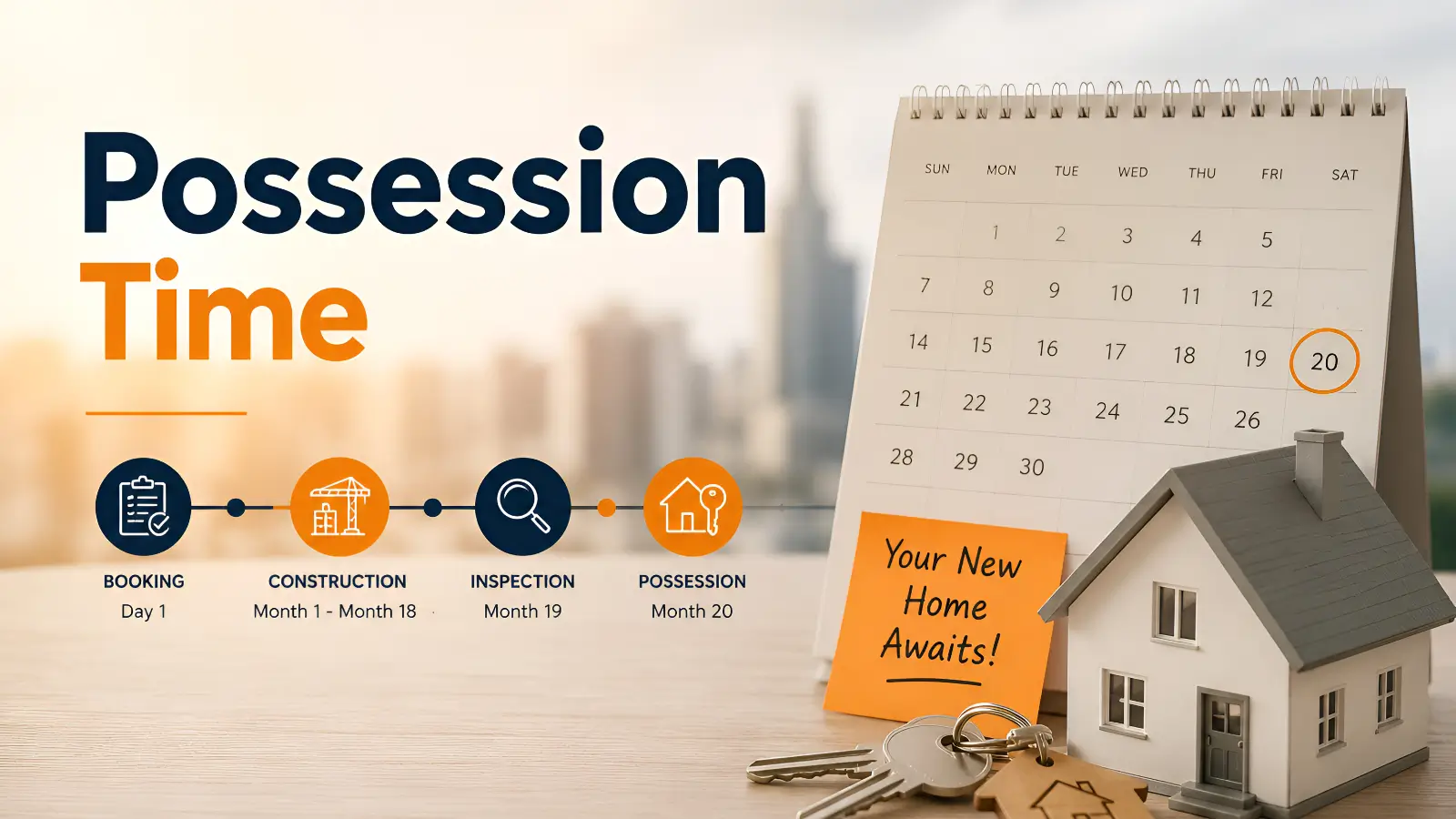
Century Astoria Possession Timeline: When Can You Move In?
Find out the Century Astoria possession date Jakkur — handover schedule, construction milestones, and what pre-launch to handover looks like for buyers.
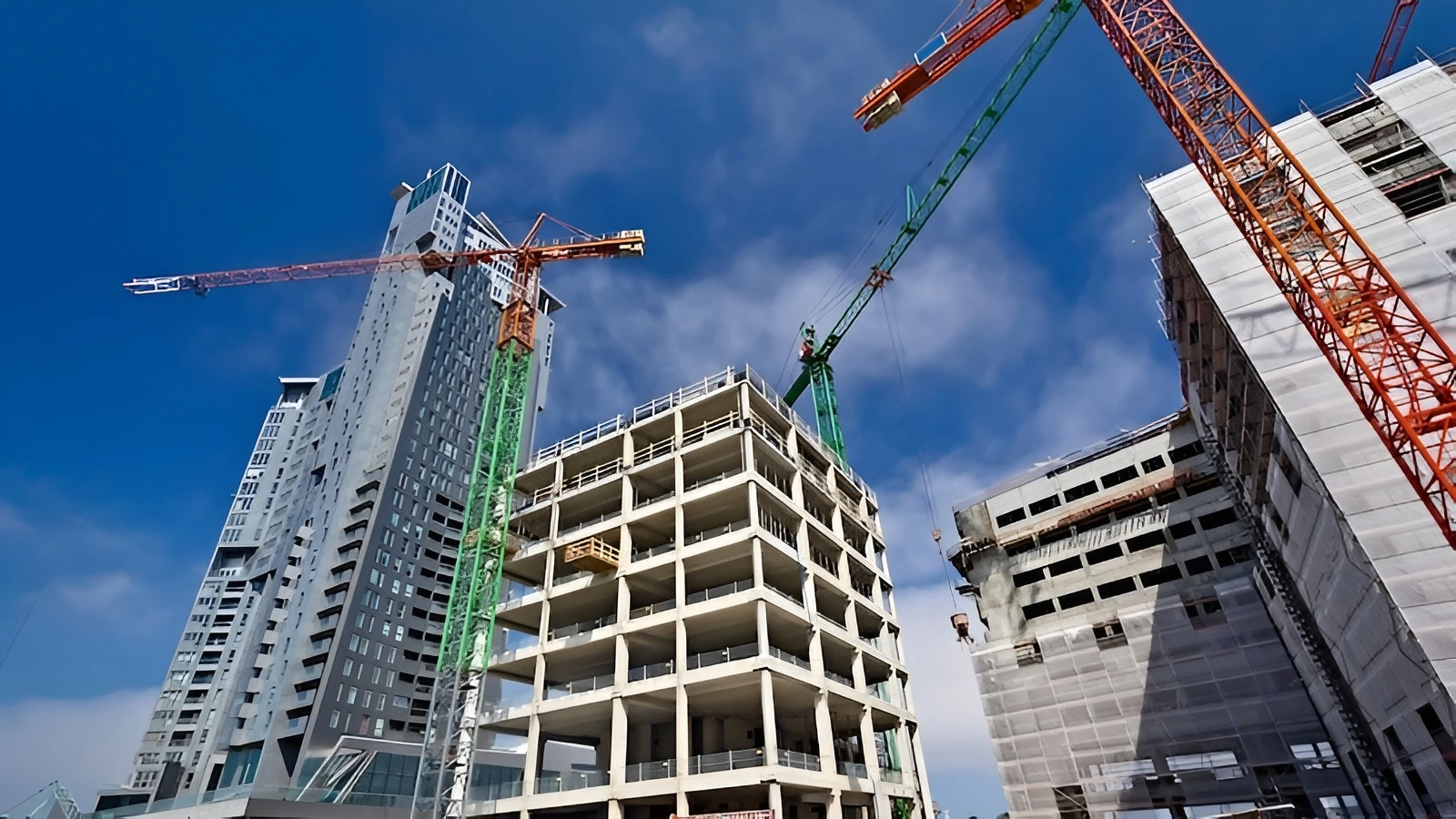
Century Astoria Construction Updates and Quality Standards
Track Century Astoria construction quality — RCC structural framing, finishing standards, construction timeline, and quality control on the Jakkur project.