Bangalore's IT Boom: How It Continues to Drive Luxury Real Estate

Bangalore IT boom real estate impact — tech industry housing demand, IT capital of India, and how the corporate cycle drives luxury apartment demand.
Why the IT Industry Is the Single Most Important Force in Bangalore Real Estate
Every Indian city has a defining industry that shapes its residential geography. Mumbai has financial services. Delhi has government and business. Hyderabad has technology and pharma. Bangalore has information technology — at a scale, depth, and sustained growth rate that no other Indian city has replicated. The Bangalore IT boom real estate impact has been compounding over three decades, and the city's luxury residential market continues to be shaped by IT-sector demand more than by any other factor. Understanding this dynamic helps buyers and investors calibrate expectations for capital appreciation, rental absorption, and resale liquidity in the current cycle.
The Scale of Bangalore's IT Sector Today
Bangalore IT sector growth has produced an employment base of roughly 1.5 million technology professionals across the city's various tech parks, IT campuses, and global capability centres. This number has roughly doubled over the last decade, with the growth concentrated in senior management, specialist engineering, and GCC executive cohorts that disproportionately drive luxury housing demand. The Bangalore IT boom real estate impact at the luxury end of the market is not about absolute employment numbers — it is about the senior tier of this employment base, which represents roughly 8 to 12 percent of total IT headcount and concentrates 70 to 80 percent of luxury housing demand.
Tech Industry Housing Demand — How It Translates
Tech industry housing demand at the luxury end translates into three measurable market dynamics. First, rental absorption — senior corporate housing allowances of ₹1.0 to ₹2.0 lakh monthly support the premium 3 BHK and 4 BHK rental rates that Jakkur and comparable luxury micro-markets command. Second, end-user purchases — IT professionals who have rented in the luxury segment for 3 to 7 years typically convert to ownership, providing a steady purchase pipeline. Third, NRI flows — Indian-origin tech executives returning from overseas postings concentrate their property purchases in established luxury locations, which is why the Bangalore IT boom real estate impact extends well beyond domestic IT employment alone.
IT Capital of India Real Estate Dynamics
The IT capital of India real estate market operates differently from other Indian metros. Bangalore's luxury market has lower volatility than Mumbai's because the underlying demand base is broader and less sensitive to single-sector shocks. The market has higher rental yields than Mumbai or Delhi because IT corporate housing allowances support premium rents while the entry per-sq.ft. cost is lower. The market has stronger secondary liquidity than smaller Indian cities because the resident population includes a higher proportion of internationally mobile professionals who transact more frequently. The Bangalore IT boom real estate impact creates these structural market characteristics.
The Forward-Looking Picture
Bangalore IT employment is forecast to continue growing through the second half of the 2020s, with the Bangalore IT boom real estate impact continuing to shape the luxury market. GCC expansion remains strong as multinational companies continue to scale their India operations. AI and emerging technology hiring is concentrated in Bangalore at a scale not seen in other Indian cities. The senior corporate housing demand base is expanding rather than contracting. For luxury real estate buyers, these forward-looking drivers support continued capital appreciation in established luxury micro-markets like Jakkur.
The IT-Driven Demand Map
Employment Cluster | Approx. Headcount | Geographic Bias |
|---|---|---|
Manyata Tech Park & Airport Corridor | 150,000+ | North Bangalore (Jakkur, Hebbal) |
Outer Ring Road / Marathahalli | 300,000+ | East Bangalore |
Whitefield / EPIP Zone | 250,000+ | East Bangalore |
Electronic City | 200,000+ | South Bangalore |
Sarjapur Road / Bellandur | 150,000+ | South-East Bangalore |
Central Bangalore Tech | 100,000+ | Inner ring |
Related reading: Download the Century Astoria Brochure and What's Inside.
FAQs
How does Bangalore's IT industry affect luxury real estate?
Senior corporate professionals (8-12% of 1.5M IT headcount) generate 70-80% of luxury housing demand through rental absorption, end-user purchases, and NRI flows from returning tech executives.Is Bangalore's IT growth sustainable for real estate demand?
Forward-looking drivers including GCC expansion, AI hiring concentration, and senior management growth support continued luxury demand through the second half of the 2020s.Why is Bangalore real estate less volatile than Mumbai?
Bangalore's broader employment base across multiple tech sub-corridors and less concentrated dependence on any single sector creates lower volatility than Mumbai's financial-services-heavy market.
Related Articles
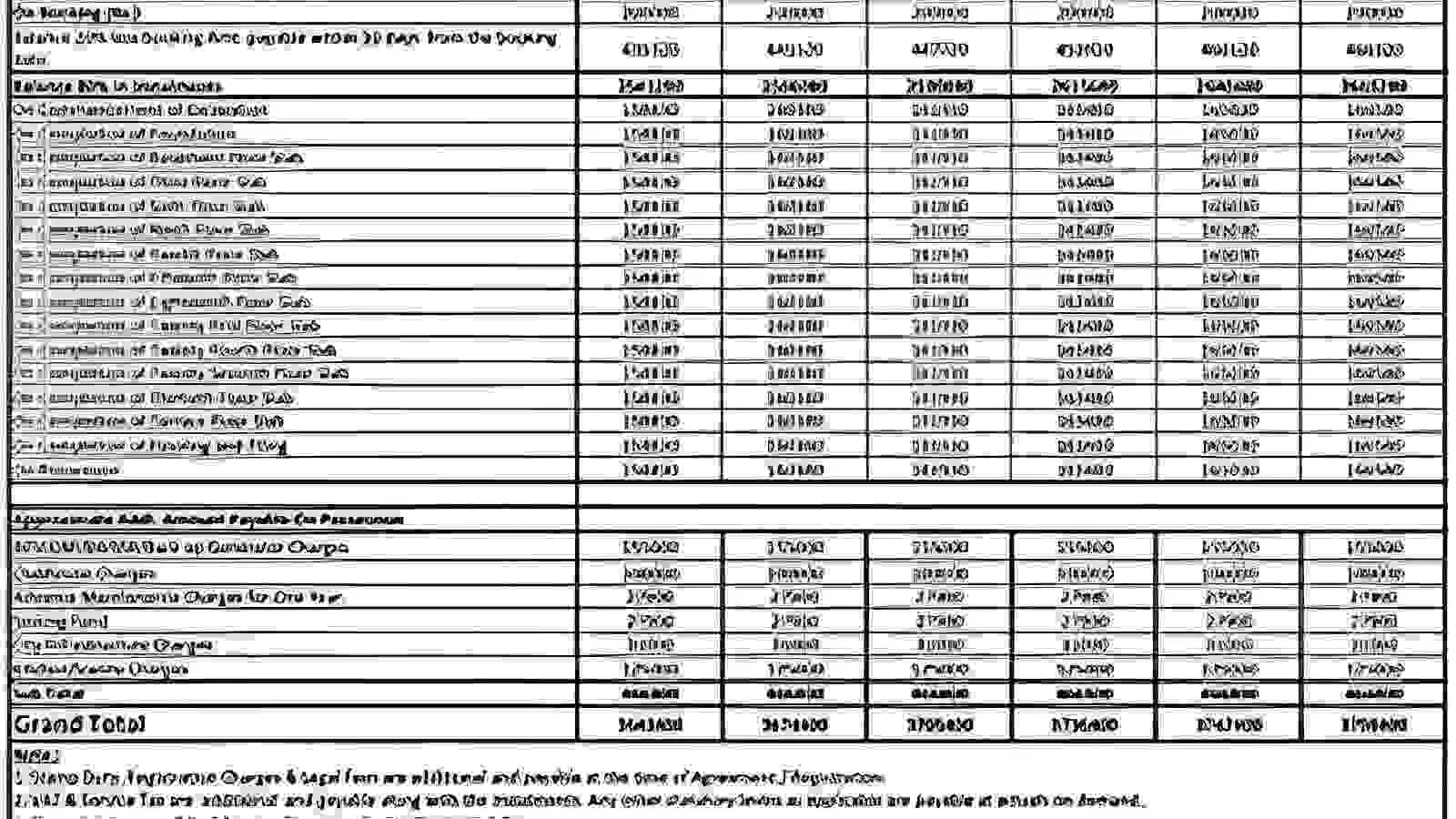
Century Astoria Cost Sheet Explained: Complete Pricing Breakdown for 3 & 4 BHK
Decode the full Century Astoria cost sheet breakdown — base rate, PLC, GST, stamp duty and registration for 3 BHK and 4 BHK residences in Jakkur.

Century Astoria Payment Plans, Offers and Pre-Launch Benefits
Compare Century Astoria payment plan options — construction-linked, possession-linked, and customised schedules. See pre-launch booking benefits in Jakkur.

Century Astoria Possession Timeline: When Can You Move In?
Find out the Century Astoria possession date Jakkur — handover schedule, construction milestones, and what pre-launch to handover looks like for buyers.
Century Astoria Construction Updates and Quality Standards
Track Century Astoria construction quality — RCC structural framing, finishing standards, construction timeline, and quality control on the Jakkur project.